Low Bounce Rate Email Service: Boost Deliverability & Engagement
Are you tired of sending emails that never reach your audience? A low bounce rate email service can be the game-changer your business needs.
When your emails land right where they should, your message gets heard, and your chances of success skyrocket. Imagine your emails hitting inboxes consistently, building trust, and driving real results. You’ll discover how to choose the best service to keep your bounce rates low and your engagement high.
Ready to boost your email performance? Let’s dive in.

Credit: www.slidegeeks.com
Why Bounce Rates Matter
Bounce rates show how many emails fail to reach their recipients. A low bounce rate means more emails land in inboxes. This improves the success of your email campaigns. Ignoring bounce rates can lead to poor results and wasted effort.
Impact On Deliverability
High bounce rates signal problems to email providers. They may block or filter your emails as spam. This lowers the chance your messages arrive in the inbox. Keeping bounce rates low helps maintain good delivery rates.
Effect On Sender Reputation
Email providers track your sender reputation closely. A high bounce rate damages this reputation. Poor reputation causes emails to be blocked or sent to spam. Maintaining a low bounce rate protects your sender score and trust.
Common Causes Of High Bounce Rates
High bounce rates hurt your email campaigns. They reduce your sender reputation and lower engagement. Knowing common causes helps you fix issues fast. This keeps your emails reaching inboxes.
Invalid Email Addresses
Invalid emails cause many bounces. These addresses do not exist or have typos. Sending to them wastes resources and hurts your score. Clean your list regularly to remove wrong emails.
Spam Traps And Blacklists
Spam traps catch senders who do not follow rules. These are fake emails used to detect spam. Hitting them can put you on blacklists. Blacklists block your emails from reaching users.
Poor List Management
Poor list management increases bounce rates. Old or inactive contacts cause hard bounces. Not asking for permission leads to complaints. Keep your list updated and get clear consent from users.
Features Of Low Bounce Rate Email Services
Low bounce rate email services help keep your email campaigns effective. They reduce the number of emails that fail to reach recipients. These services come with features designed to improve delivery and maintain a clean contact list. Understanding these features helps you choose the right service for your needs.
Advanced Validation Tools
Advanced validation tools check email addresses before sending. They detect invalid, fake, or risky emails. These tools reduce bounce rates by ensuring only valid contacts receive emails. This saves time and protects your sender reputation.
Real-time Monitoring
Real-time monitoring tracks email delivery as it happens. It alerts you about bounces or issues instantly. This helps fix problems quickly and improve future email performance. Monitoring also shows which emails get the best responses.
Automated List Cleaning
Automated list cleaning removes inactive or wrong addresses from your list. It runs regularly without manual work. This keeps your list fresh and improves email open rates. Clean lists lower bounce rates and increase campaign success.

Credit: deselect.com
Techniques To Improve Email Deliverability
Improving email deliverability is key to running a successful email campaign. It ensures your messages reach the inbox, not the spam folder. High deliverability rates increase engagement and reduce bounce rates. Use the right techniques to improve how email servers treat your emails.
Segmentation And Personalization
Segment your email list by interests, location, or behavior. This makes emails relevant to each group. Personalize emails by using the recipient’s name or past activity. Relevant emails get better responses and fewer bounces. Avoid sending the same email to everyone. Tailored messages reduce the chance of spam complaints.
Authentication Protocols
Set up authentication protocols like SPF, DKIM, and DMARC. These prove your emails are from a trusted source. Email servers check these records before accepting messages. Proper authentication lowers the chance of emails being marked as spam. It also protects your domain from being used in phishing attacks.
Optimizing Send Frequency
Send emails at a steady, reasonable pace. Avoid sending too many emails in a short time. Overloading inboxes can lead to unsubscribes and spam reports. Find the best frequency by testing and watching engagement rates. Consistent, balanced sending improves reputation and deliverability.
Measuring Engagement Beyond Bounce Rates
Measuring engagement beyond bounce rates helps you understand how subscribers interact with your emails. Bounce rates only show if emails reach inboxes or not. To see real impact, look deeper. Track actions subscribers take after opening your messages. This shows how your content connects with readers. Use different tools and methods to get a full picture.
Open And Click-through Rates
Open rates show how many people view your emails. Click-through rates reveal who clicks on links inside. Together, they give insights into interest levels. A high open rate means your subject line works well. A high click-through rate means your content encourages action. Track these rates regularly to spot trends and improve emails.
Conversion Tracking
Conversion tracking measures if email readers complete desired actions. These actions include buying a product or signing up for events. Tracking conversions connects email efforts to real results. Use tools like Google Analytics or built-in email software features. This data helps optimize campaigns to drive better outcomes.
User Feedback Integration
Collecting user feedback helps understand subscriber preferences. Surveys and polls reveal what readers like or dislike. Feedback shows which topics and formats work best. Use this input to tailor future emails. Engaging readers in this way builds trust and loyalty over time.
Choosing The Right Email Service Provider
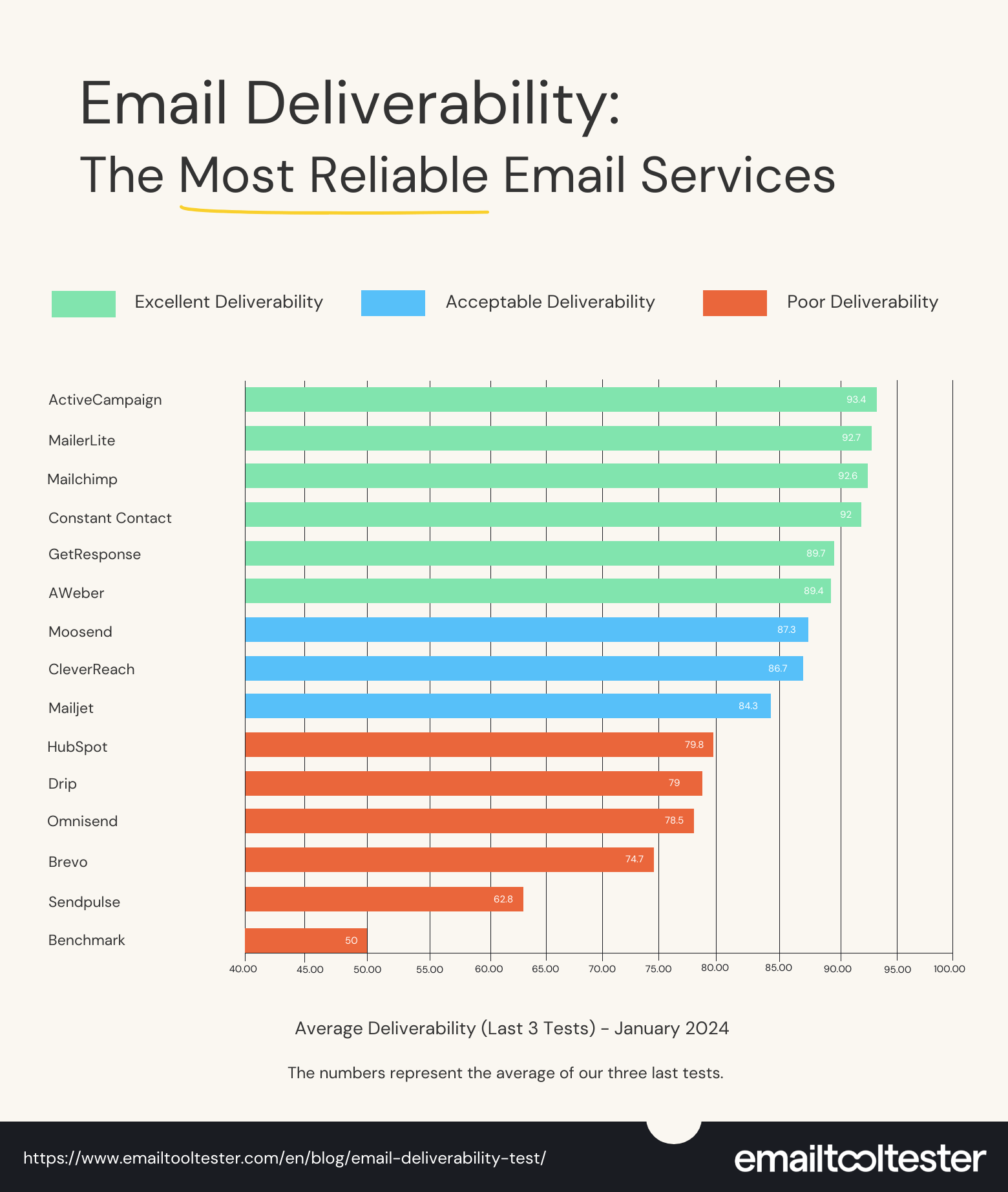
Choosing the right email service provider is key to reducing bounce rates. It affects your email delivery and how recipients interact with your messages. A good provider ensures your emails reach inboxes, not spam folders. This helps keep your contact list clean and engaged.
Careful selection of your email service improves campaign success. It also saves time and lowers costs. Focus on providers that offer strong tools and reliable performance.
Scalability And Support
Your email service should grow with your needs. Start with a plan that fits your current list size. Check if the provider offers easy upgrades as your list grows. Reliable customer support matters. Quick help solves issues fast. This keeps your campaigns running smoothly.
Compliance And Security
Compliance with email laws protects your business. Choose providers that follow GDPR and CAN-SPAM rules. They help you avoid penalties and build trust. Security features like encryption keep your data safe. Look for services with strong anti-spam and anti-phishing measures.
Pricing And Features
Compare pricing plans to find one that fits your budget. Some providers charge by email volume or subscriber count. Check what features come with each plan. Important features include automation, analytics, and list management. Pick a service offering the tools you need without extra cost.
Credit: www.emailtooltester.com
Frequently Asked Questions
What Is A Low Bounce Rate Email Service?
A low bounce rate email service minimizes undelivered emails. It ensures emails reach valid inboxes, improving campaign success and sender reputation.
How Does Low Bounce Rate Improve Email Deliverability?
Low bounce rates signal ISPs that your emails are trustworthy. This boosts inbox placement rates and reduces spam filtering.
Why Should Businesses Choose Low Bounce Rate Email Services?
Choosing low bounce rate services enhances customer engagement. It saves costs by reducing wasted sends and protects sender reputation.
How Can I Reduce Bounce Rates In Email Campaigns?
Use verified email lists, clean data regularly, and avoid spam triggers. Choose reliable email services with bounce management features.
Conclusion
Choosing a low bounce rate email service helps keep your messages delivered. It improves your chances of reaching real people’s inboxes. This means more readers and better results for your emails. Good email services also protect your sender reputation. Avoiding bounces saves time and reduces stress.
Focus on clear content and clean email lists too. A reliable service supports your goals quietly and well. Keep your emails active and useful, and watch your engagement grow. Simple steps make a big difference in email success.


Comments
Post a Comment